Consent Matters (Uk, Austalia + New Zealand Aotearoa)

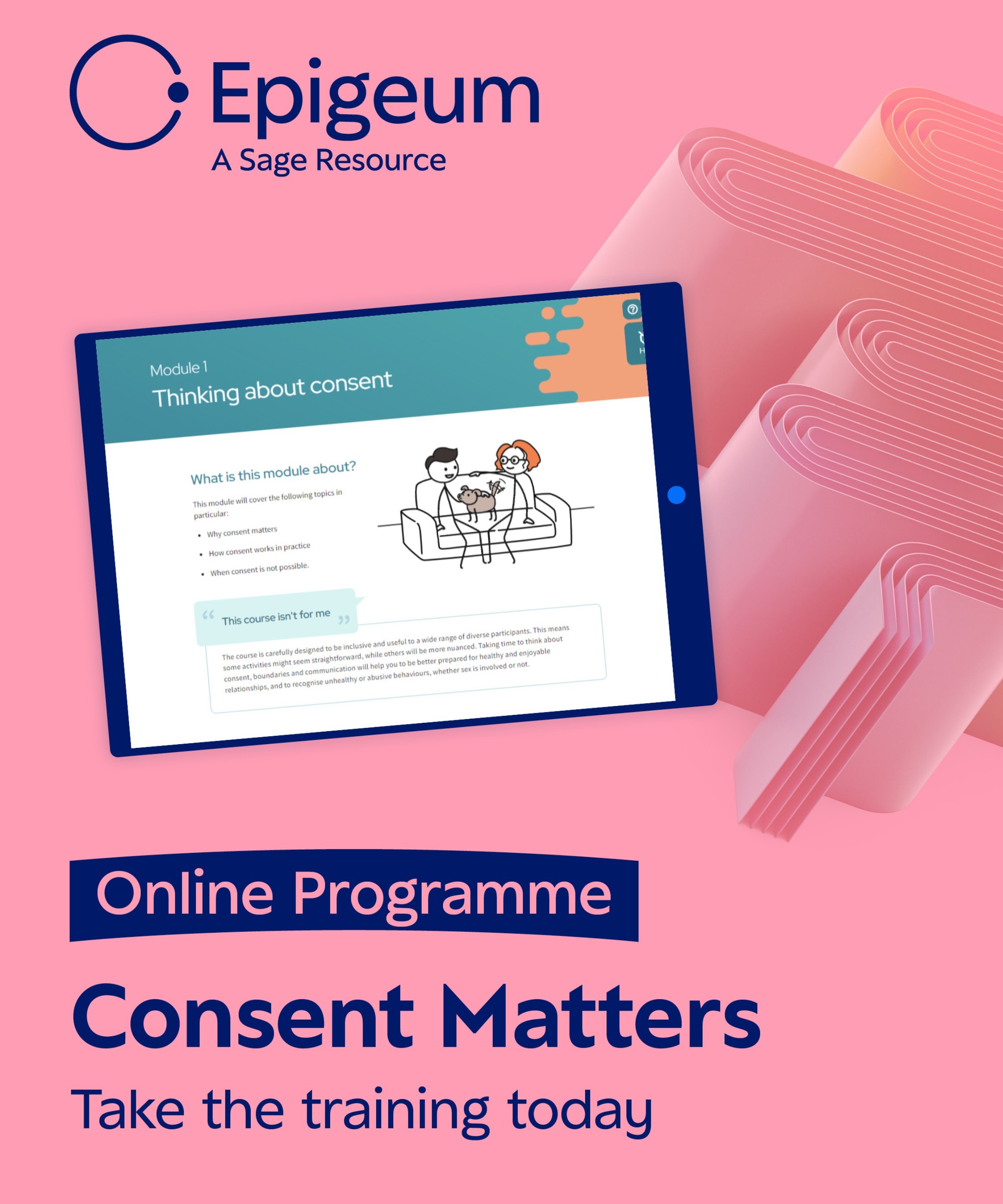
Consent Matters is a large-scale online training course with over 50,000 learners, supporting staff and students in higher education to navigate the legal and ethical considerations around sexual consent. The programme has localised editions for the UK, Australia, and Aotearoa New Zealand.

Consent Matters is a large-scale online training course with over 50,000 learners, supporting staff and students in higher education to navigate the legal and ethical considerations around sexual consent. The programme has localised editions for the UK, Australia, and Aotearoa New Zealand.

Consent Matters is a large-scale online training course with over 50,000 learners, supporting staff and students in higher education to navigate the legal and ethical considerations around sexual consent. The programme has localised editions for the UK, Australia, and Aotearoa New Zealand.

About the project

Consent Matters is an interactive online course designed to help learners understand sexual consent, healthy relationships, and bystander intervention. It aims to build confidence in recognising, seeking, and respecting consent, while promoting a culture of respect and safety within higher education institutions. The course uses real-world scenarios, reflection activities, and clear, inclusive language to explore how consent operates in practice, including communication, boundaries, and power dynamics. It is evidence-based and regularly updated in collaboration with sector experts and student representatives, ensuring alignment with current guidance and best practice around sexual misconduct prevention and response. Many universities use Consent Matters as part of their induction, safeguarding, or wellbeing programmes for both students and staff.

Consent Matters is an interactive online course designed to help learners understand sexual consent, healthy relationships, and bystander intervention. It aims to build confidence in recognising, seeking, and respecting consent, while promoting a culture of respect and safety within higher education institutions. The course uses real-world scenarios, reflection activities, and clear, inclusive language to explore how consent operates in practice, including communication, boundaries, and power dynamics. It is evidence-based and regularly updated in collaboration with sector experts and student representatives, ensuring alignment with current guidance and best practice around sexual misconduct prevention and response. Many universities use Consent Matters as part of their induction, safeguarding, or wellbeing programmes for both students and staff.

Consent Matters is an interactive online course designed to help learners understand sexual consent, healthy relationships, and bystander intervention. It aims to build confidence in recognising, seeking, and respecting consent, while promoting a culture of respect and safety within higher education institutions. The course uses real-world scenarios, reflection activities, and clear, inclusive language to explore how consent operates in practice, including communication, boundaries, and power dynamics. It is evidence-based and regularly updated in collaboration with sector experts and student representatives, ensuring alignment with current guidance and best practice around sexual misconduct prevention and response. Many universities use Consent Matters as part of their induction, safeguarding, or wellbeing programmes for both students and staff.

Date:

1 Feb 2023

Client:

Epigeum, SAGE Publications

Project Details

This project focused on reviewing and substantially redeveloping an earlier version of Consent Matters that had launched several years previously. The initial phase involved bringing together subject matter expertise, existing learner feedback, and my own analysis to critically evaluate the original course and identify clear priorities for improvement.

This review highlighted key areas for development, including the user interface, visual identity, and the need to update content to reflect recent sector developments. It also identified opportunities to improve how people of diverse genders and identities were represented throughout the course.

The course then progressed through multiple iterations, including formal Alpha and Beta reviews, during which further expert input and user feedback were gathered. Accessibility was reviewed in depth, new video interviews were recorded, and almost all artwork and scenarios were refreshed. The final release represented a near-total overhaul of the previous edition and received positive feedback from institutions adopting the programme.

My contribution

As the learning designer, my responsibilities included:

  • Evaluating the existing course: Conducted a comprehensive and critical review, identifying key areas for improvement such as the user interface, outdated content, artwork, and the representation of diverse genders and identities.

  • Designing the learner experience: Rethought the course structure and pedagogy to ensure accessibility and engagement for all learners. This included considering different learning preferences (reading, watching, listening, or hands-on), accessibility needs, and promoting diversity and inclusion in content and representation.

  • Curriculum and content planning: Determined which topics were essential, the optimal sequencing, and the most effective delivery formats for learners.

  • Project coordination: Oversaw budgets, managed partner communications, and ensured all key milestones were met.

  • Content oversight: Directed editorial processes, developed new content, and conducted video interviews to enrich the learning experience.

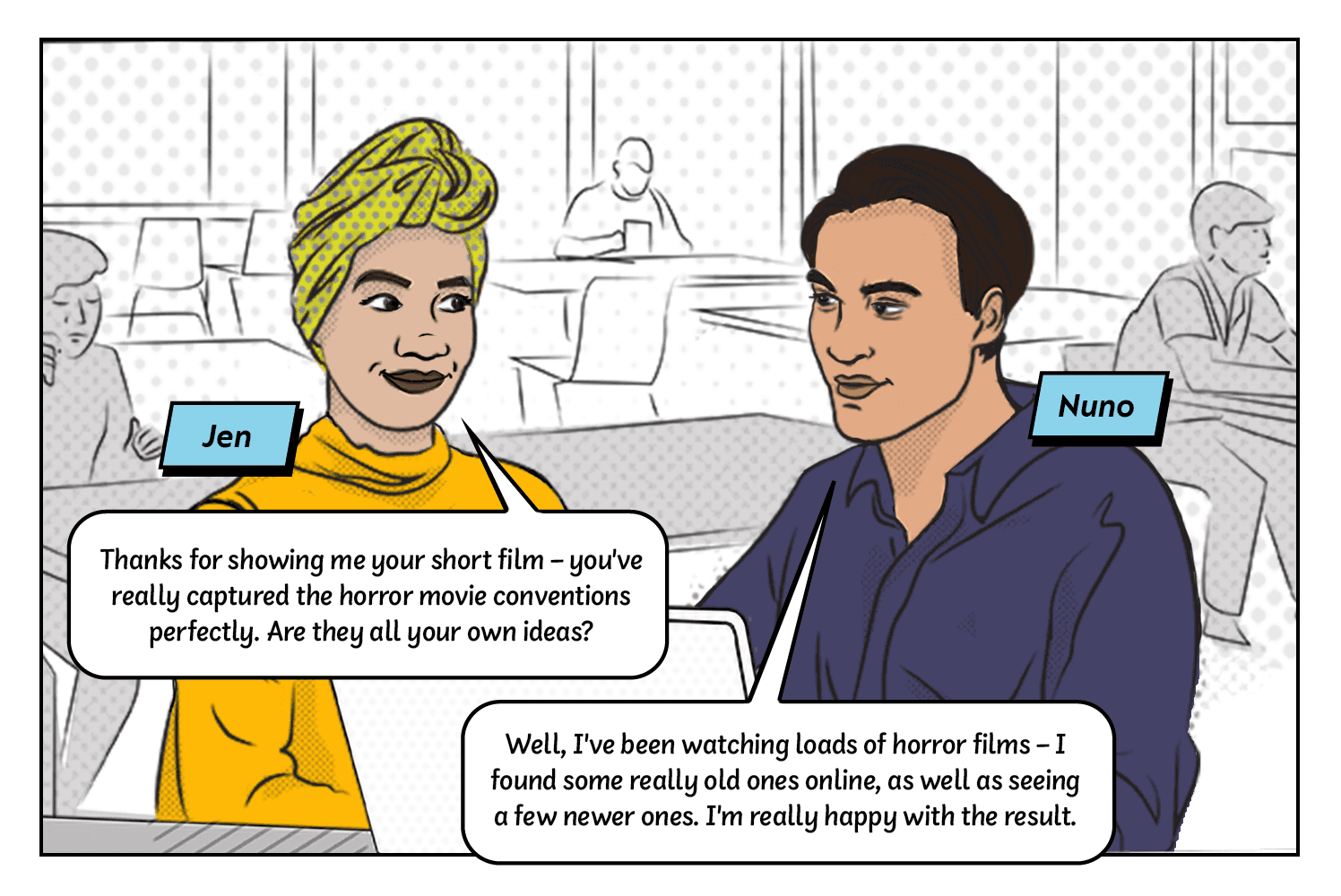
  • Creative commissioning: Engaged artists to produce a fresh suite of inclusive artwork, ensuring the visual materials accurately reflected the course’s diverse audience.